Ethernet Switch Types
- switches come in a variety of sizes
- basic models support
- 12-48 ports
- little scope for expansion
- advanced models support:
- interconnections via high-speed backplanes
- expandable capacity through plug-in modules plus power supply redundancy
- management consoles
- transceivers for fiber optic connectivity
- market is dominated by Cisco’s Catalyst and Nexus platforms (55% of sales)
- other vendors: HP enterprise, Juniper, Arista, Linksys, D-Link, NETGEAR, and NEC
Types of Switches
Unmanaged Switch
An unmanaged switch performs its function without requiring any sort of configuration.
- just power it on and connect some hosts to it
- might find unmanaged switches with four or eight ports used in small networks
- There is an unmanaged four-port switch embedded in most of the SOHO router/modems supplied by Internet Service Providers (ISPs) to connect to their networks
Managed Switch
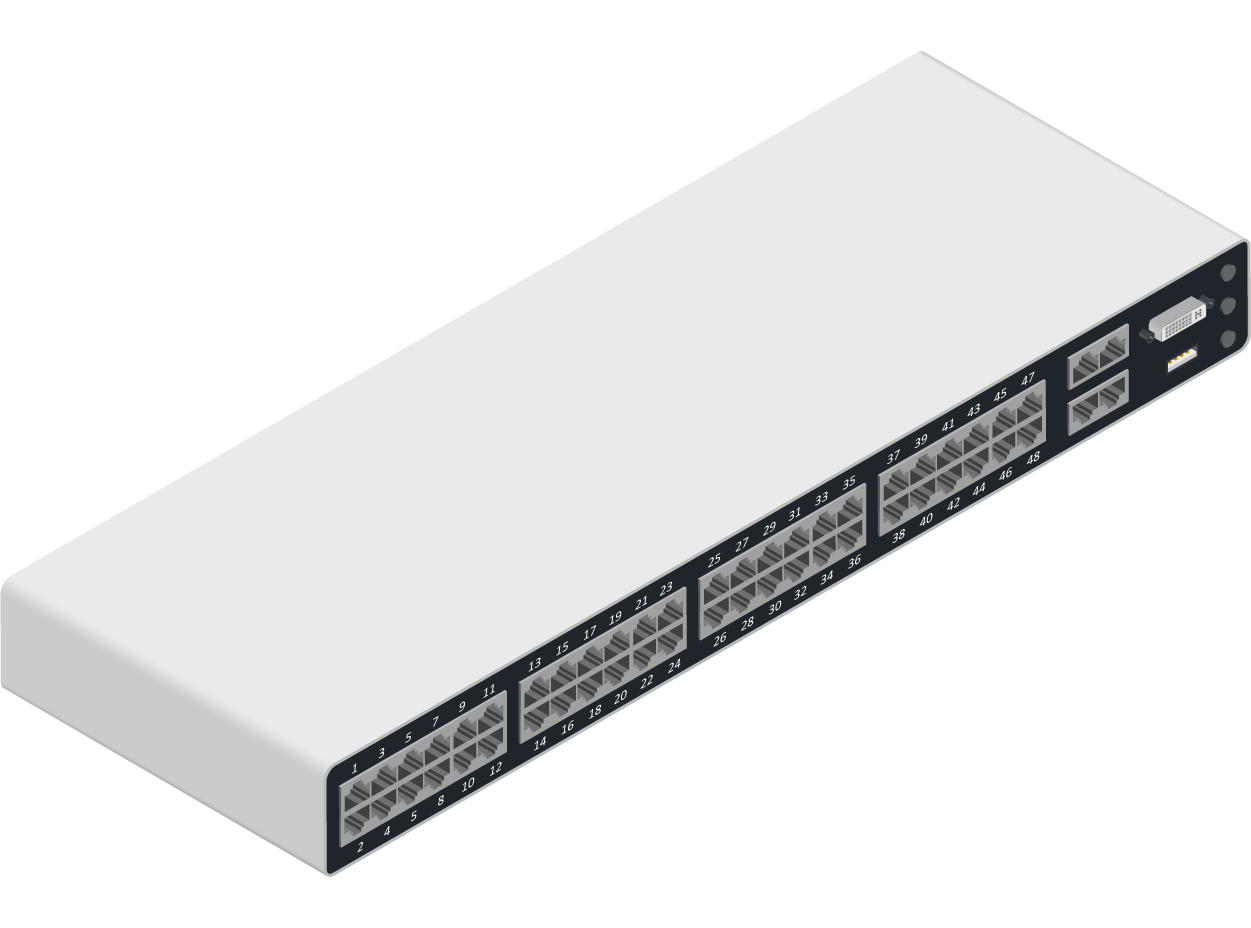
A managed switch enables an administrator can connect to it over a management port, configure security settings, and then choose options for the switch’s more advanced functionality.
- designed for larger LANs
- designed to be bolted into standard network racks
- can be configured over the web or command line interface
- typical workgroup switch will come with 24 or 48 access ports for client PCs, servers, and printers
- have uplink ports allowing them to be connected to other switches
- work as an unmanaged switch out-of-the-box
Stackable
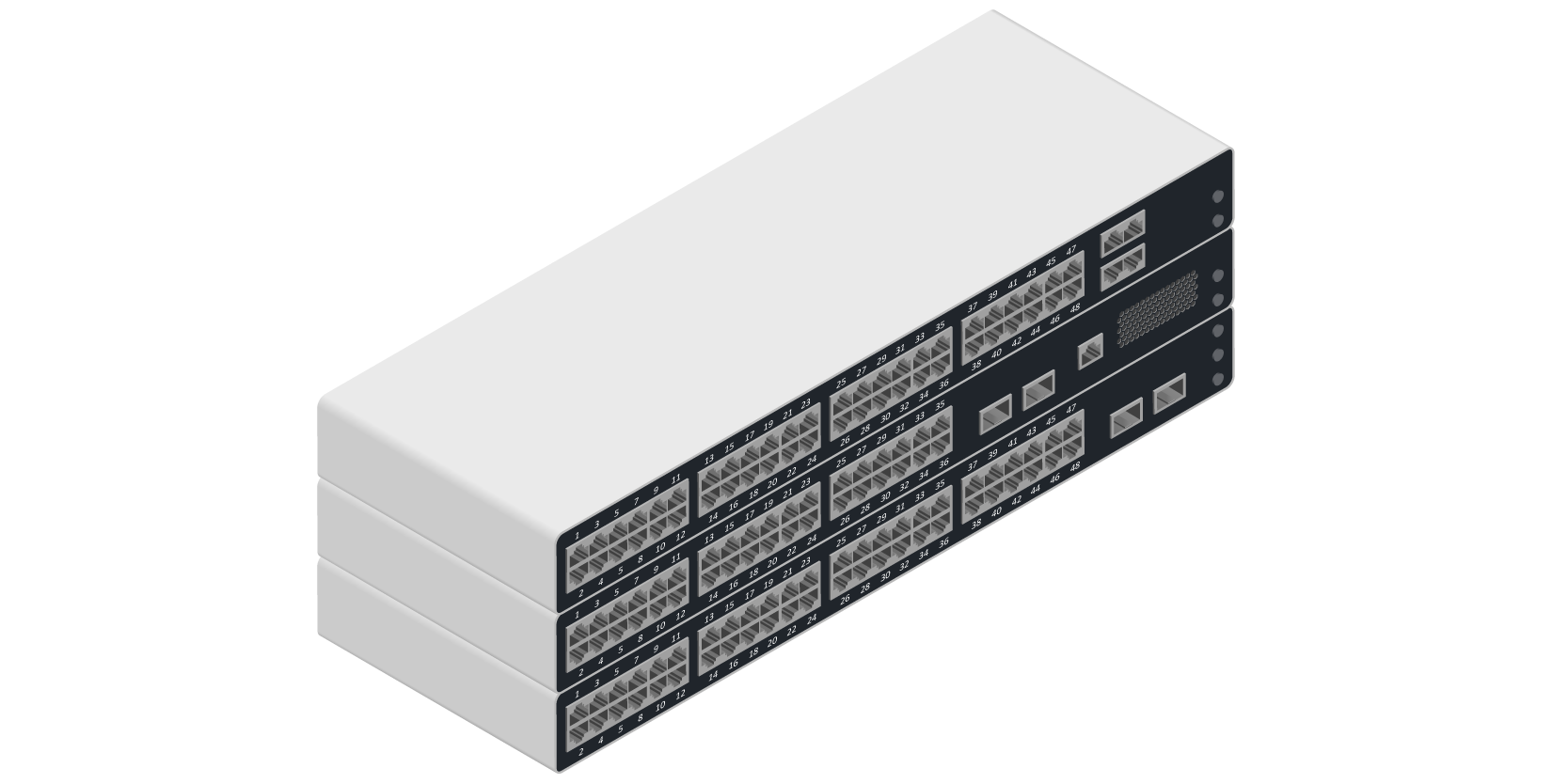
- switches that can be connected together and operate as a group
- stack can be managed as a single unit
Modular vs Fixed
- fixed: switch comes with a set number of ports that cannot be changed or upgraded
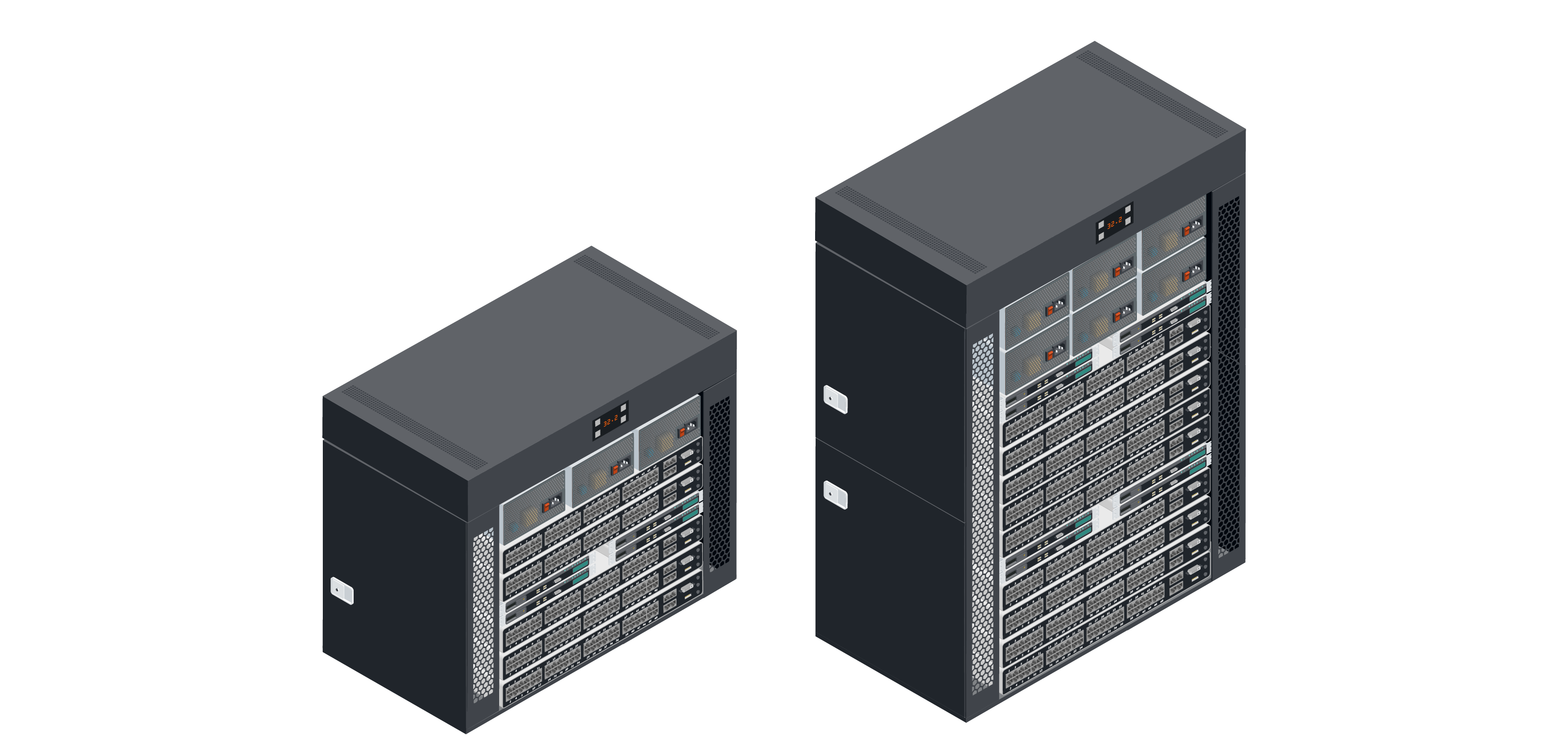
- modular: has slots for plug-in cards and can be configured with different numbers and types of ports
- provides a power supply and fast communications backplane to interconnect multiple switch units
- enables the provisioning of hundreds of access ports via a single compact appliance
Desktop vs Rack-mounted
- desktop: simple unmanaged switches with 5-8 ports supplied as a freestanding unit
- rack-mounted: larger switches designed to be fitted to standard-size racks