Coaxial & Twinaxial Cabling
Coaxial
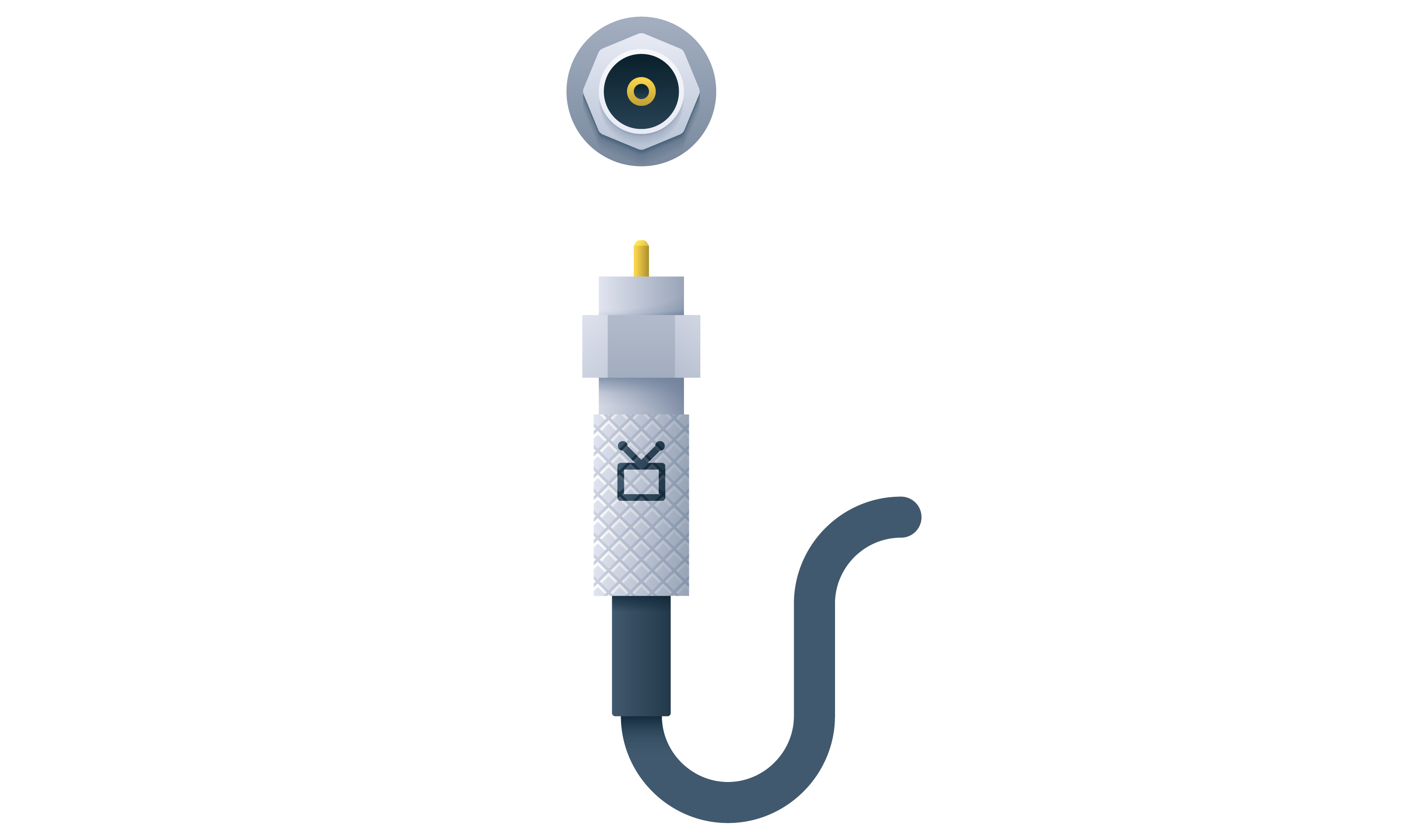
Coaxial (coax) cable is a different type of copper cabling, also carrying electrical signals.
- Where twisted pair uses balancing to cancel out interference, coax uses two conductors that share the same axis
- The core signal conductor is made of solid or stranded copper wire and enclosed by plastic insulation (dielectric)
- then a second conductor is a wire mesh wrapped around the plastic
- serves both as shielding from EMI and as a ground
- categorized using Radio Grade (RG) designations
- represent the thickness of the core conductor and cable’s characteristic impedance
- RG-6 is 18 AWG cable with 75 ohm impedance
- typically used as a drop cable/patch cable for Cable Access TV (CATV) and broadband cable modems
- RG-59 cable is thinner and more flexible
- used for audio/video and closed-circuit television (CCTV)
- coax can be terminated using:
- Bayonet Niell-Concelman (BNC) connector
- uses a twist-and-lock mechanism
- F-type connector
- secured by screwing
- Bayonet Niell-Concelman (BNC) connector
Twinaxial
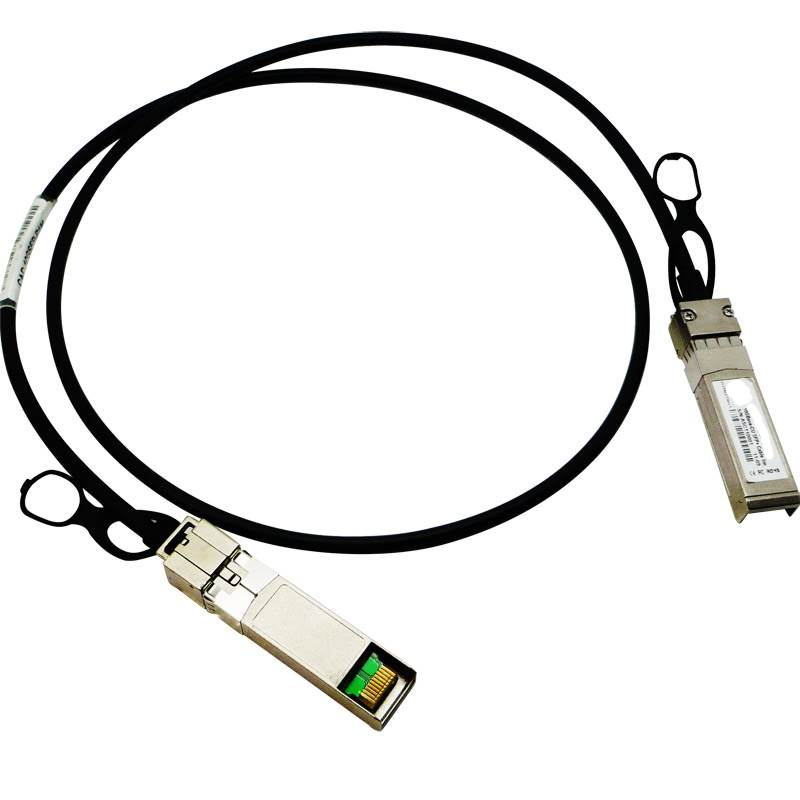
Twinaxial (twinax) is similar to coax but contains two inner conductors.
- used for datacenter interconnects working at 10 GbE (10GBASE-CR) and 40 GbE (40GBASE-CR4)
- maximum distance is:
- 5 meters for passive cables
- 10 m for active cables
- Twinax for 10/40 GbE is terminated using Direct Attach Copper (DAC) transceivers
- can be installed as modules in switch, router, and server appliances