Endpoint Protection
The purpose of device hardening is to enhance a system’s security by minimizing the potential vulnerabilities a malicious entity could exploit.
- achieved by configuring network and system settings to reduce their attack surface
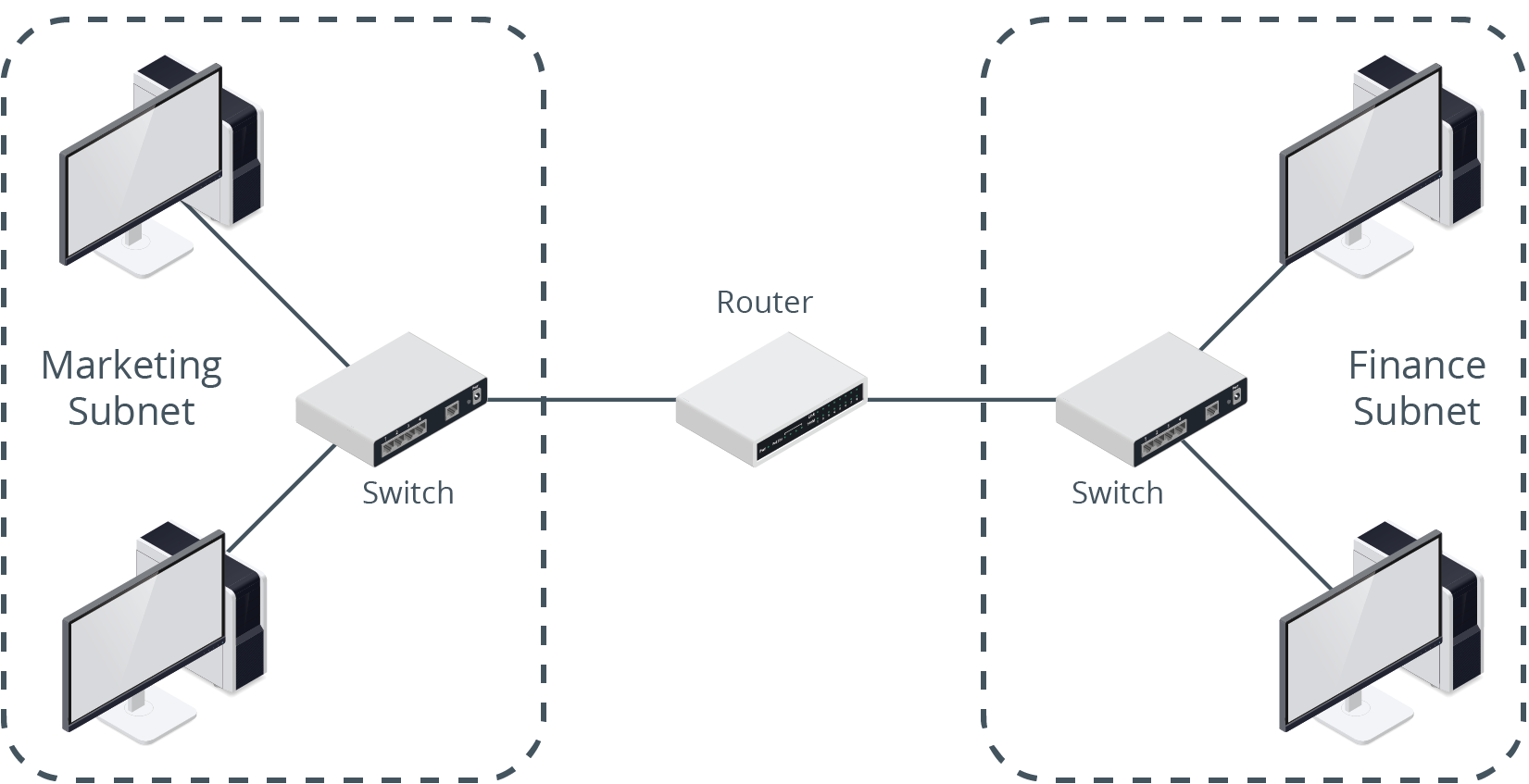
Segmentation
- segmentation is crucial to securing an enterprise environment
- reduces the potential impact of a cybersecurity incident by isolating systems and limiting the spread of an attack or malware infection
- in a segmented network,
- systems are divided into separate segments or subnets
- each with distinct security controls and access permissions
- allows more granular control over data access
Isolation
Device isolation refers to segregating individual devices within a network to limit their interaction with other devices and systems.
- aims to enhance endpoint protection by preventing the lateral spread of threats should a device become compromised
- creates barriers between devices so that a threat that infiltrates one device cannot easily spread to others
- restricts network traffic between devices reducing the potential attack surface
- useful for threats like worms or ransomware
- often aim to propagate through networks quickly
- limits breach impacts by ensuring that compromised devices cannot access the entire network
Antivirus and Antimalware
Antivirus (AV) is software inspects traffic to locate and block viruses.
- first generation of AV is characterized by signature-based detection and prevention of known viruses
- today, AVV now performs generalized malware detection
- not just viruses and worms, but also Trojans, spyware, PUPs, cryptojackers, and so on
- while still important, signature-based detection is widely recognized as insufficient for the prevention of data breaches
Disk Encryption
- Full Disk Encryption (FDE)
- requires the secure storage of the key used to encrypt the drive contents
- stores encryption key on a trusted platform module (TPM)
- requires the secure storage of the key used to encrypt the drive contents
Patch Management
Patches are a small unit of supplemental code meant to address either a security problem or a functionality flaw in a software package or operating system.
- Automated vulnerability scanners can effectively discover missing patches for
- the operating system
- plus a wide range of third-party software apps and devices/firmware
- in home/residential networks
- major OS updates are usually done automatically
- Windows
- Windows Update
- Linux
- via
yum-cronorapt unattended-upgrades
- via
- Windows
- major OS updates are usually done automatically
- in enterprise networks
- automated deployment can break workflows or cause incompatibilities
- use patch management suite instead
- e.g., Microsoft System Center Configuration Manager (SSCM)/Endpoint Manager
- update repositories can be infected with malware that can then be spread via automated updates
Patch management is the identifying, testing, and deploying OS and application updates.
- Patches are often classified as
- critical
- security-critical
- recommended
- and optional
- issues with patching can be mitigated by deploying an enterprise patch management suite
- testing patches before deployment to production is crucial
- to help maintain the stability and security of software
- can help identify issues or conflicts
- ensure it does not introduce vulnerabilities or disrupt critical operations
- testing is performed in a testing environment
- built to mirror the production environment
- can be difficult for legacy systems, proprietary systems, and systems from vendors without robust security management plans
- use compensating controls